I’m a dentist anesthesiologist. Helping to expand access to dental care is my passion.
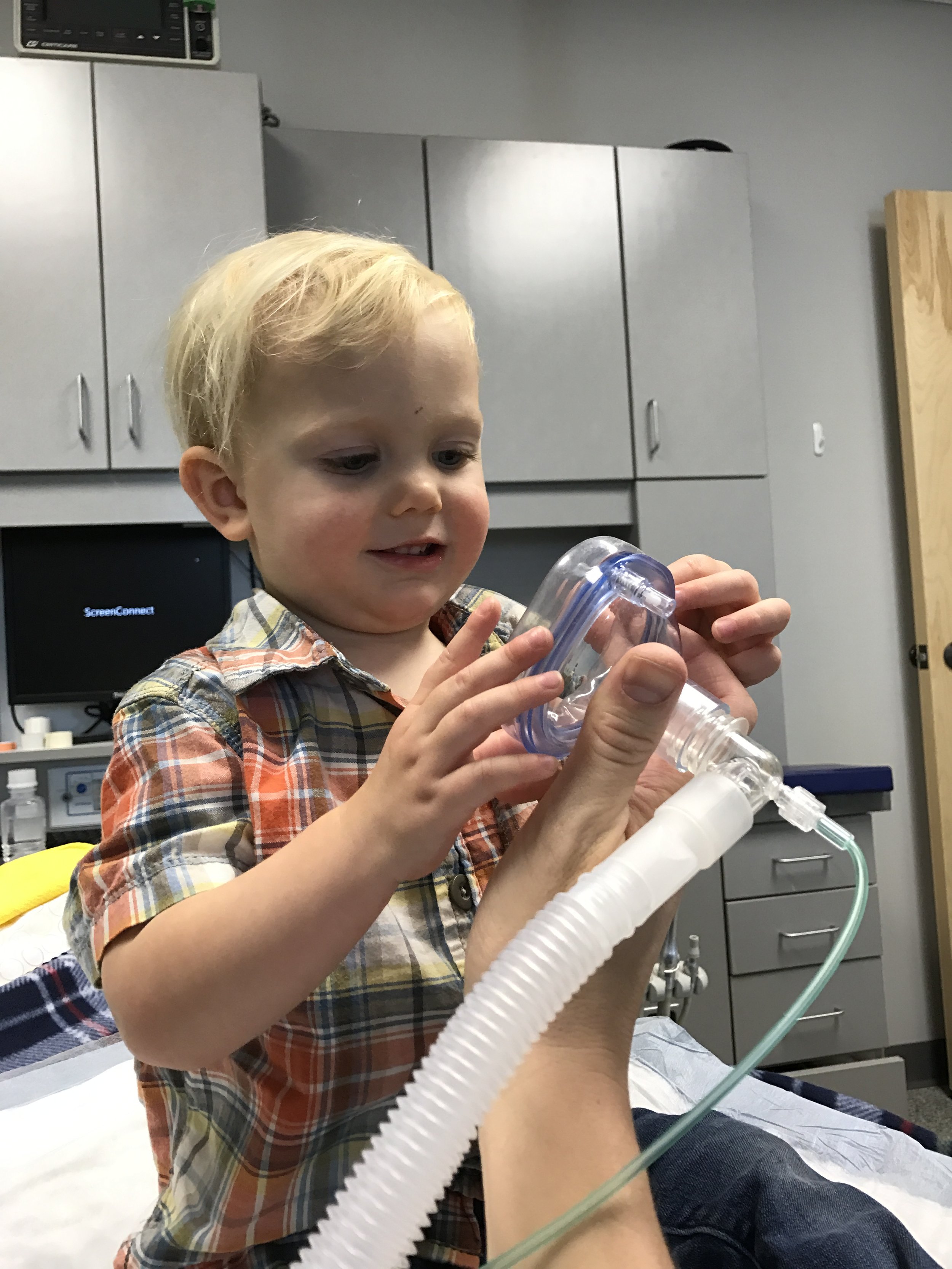
If your child is unable to sit in a dental chair for routine treatment, I can help. I provide anesthesia to help your child get the care they need.
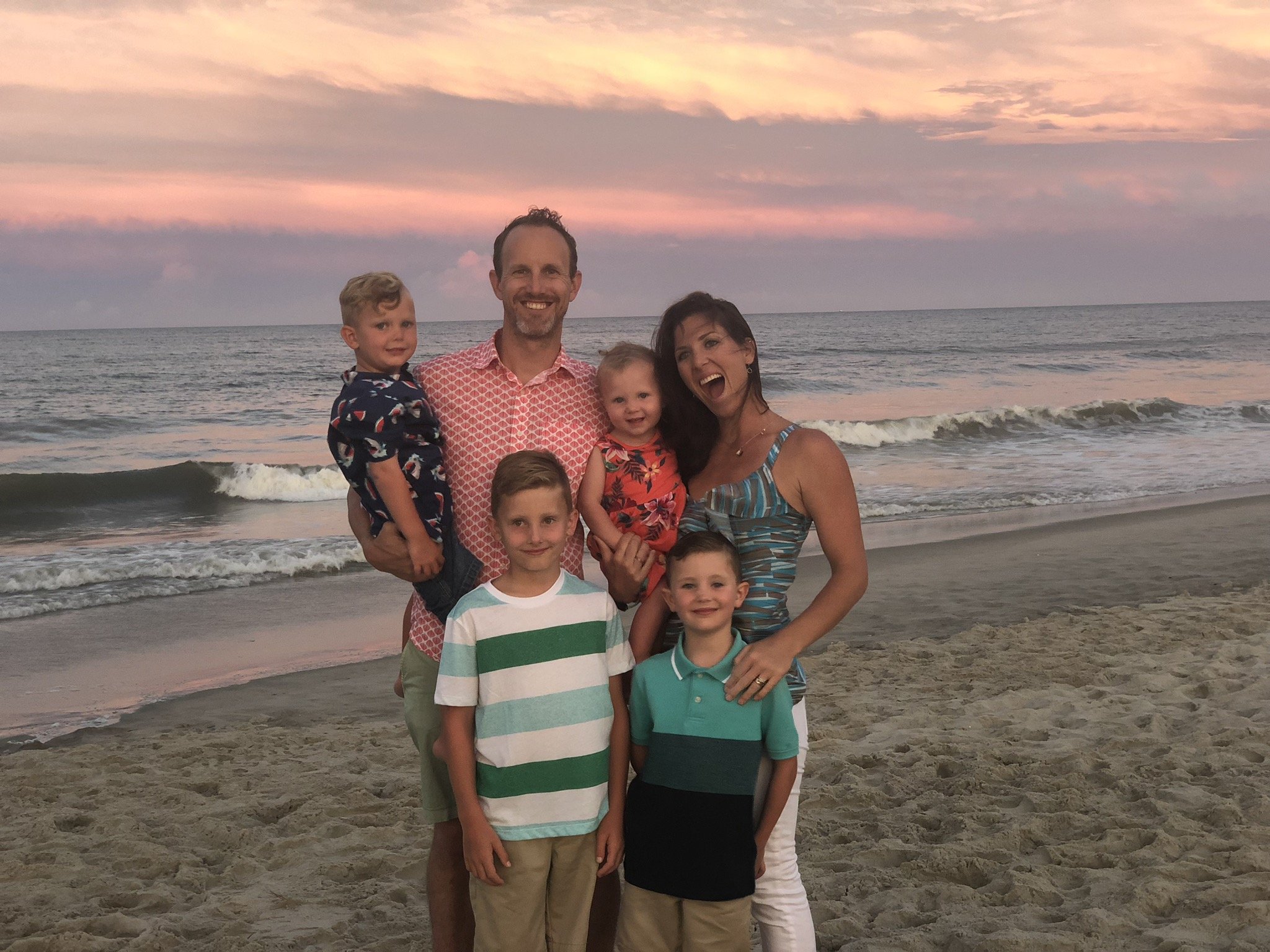
What is a Dentist Anesthesiologist?
Dental anesthesiology is a field of dentistry that has grown to meet the needs of patients who are unable to receive their care conventionally. A dentist anesthesiologist first completed four years of dental school after completing their undergraduate prerequisites, and then completed a rigorous residency to train them in the art and science of administering anesthesia.
Why would someone need anesthesia for dentistry?
There are many reasons why a person may be unable to receive the care they need. These reasons range from being too young to be cooperative, to having complex medical conditions that prohibit them from being able to sit in a dental chair and keep their mouth open or still for a prolonged period of time.
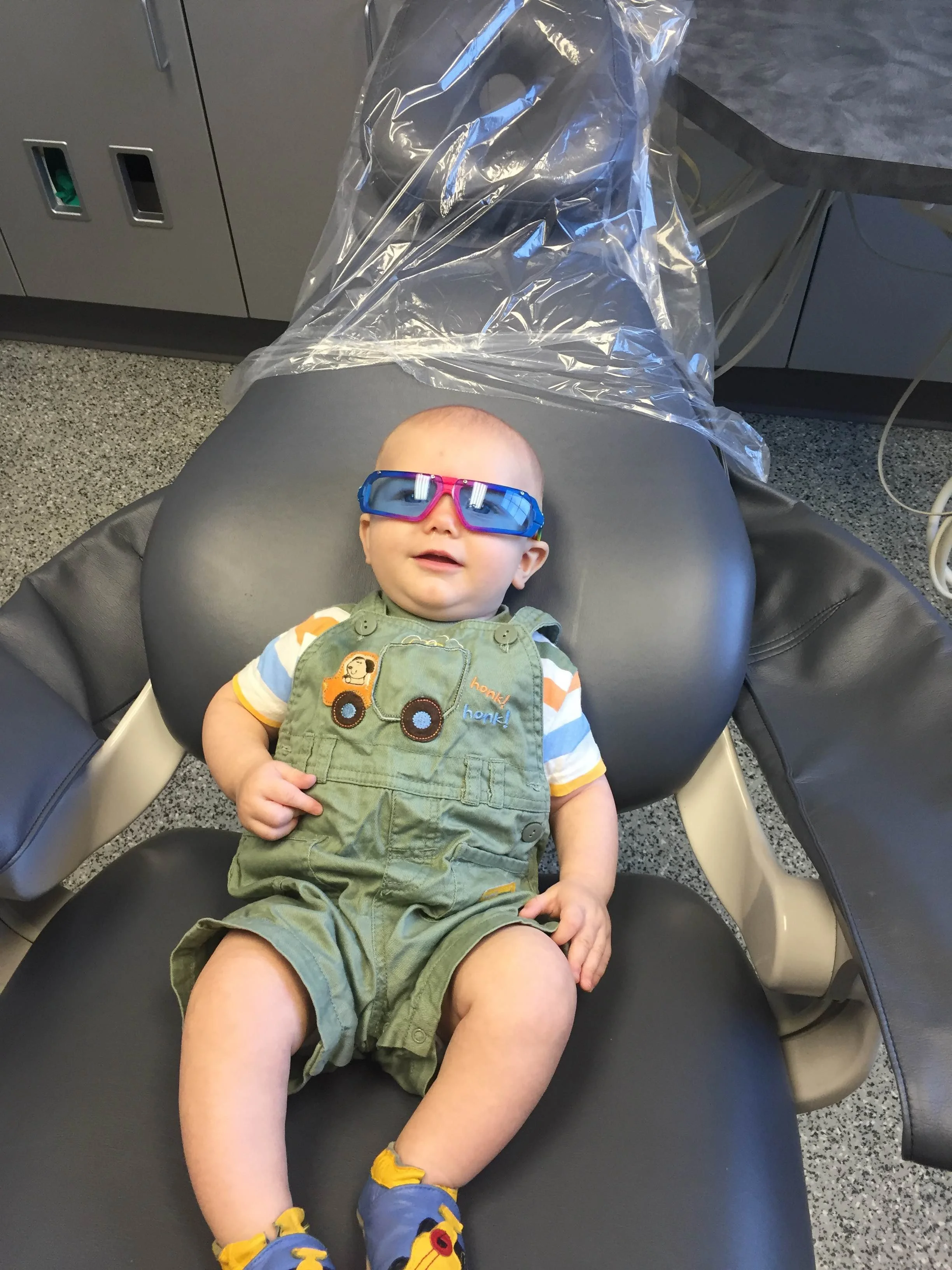

What is anesthesia? How does it work?
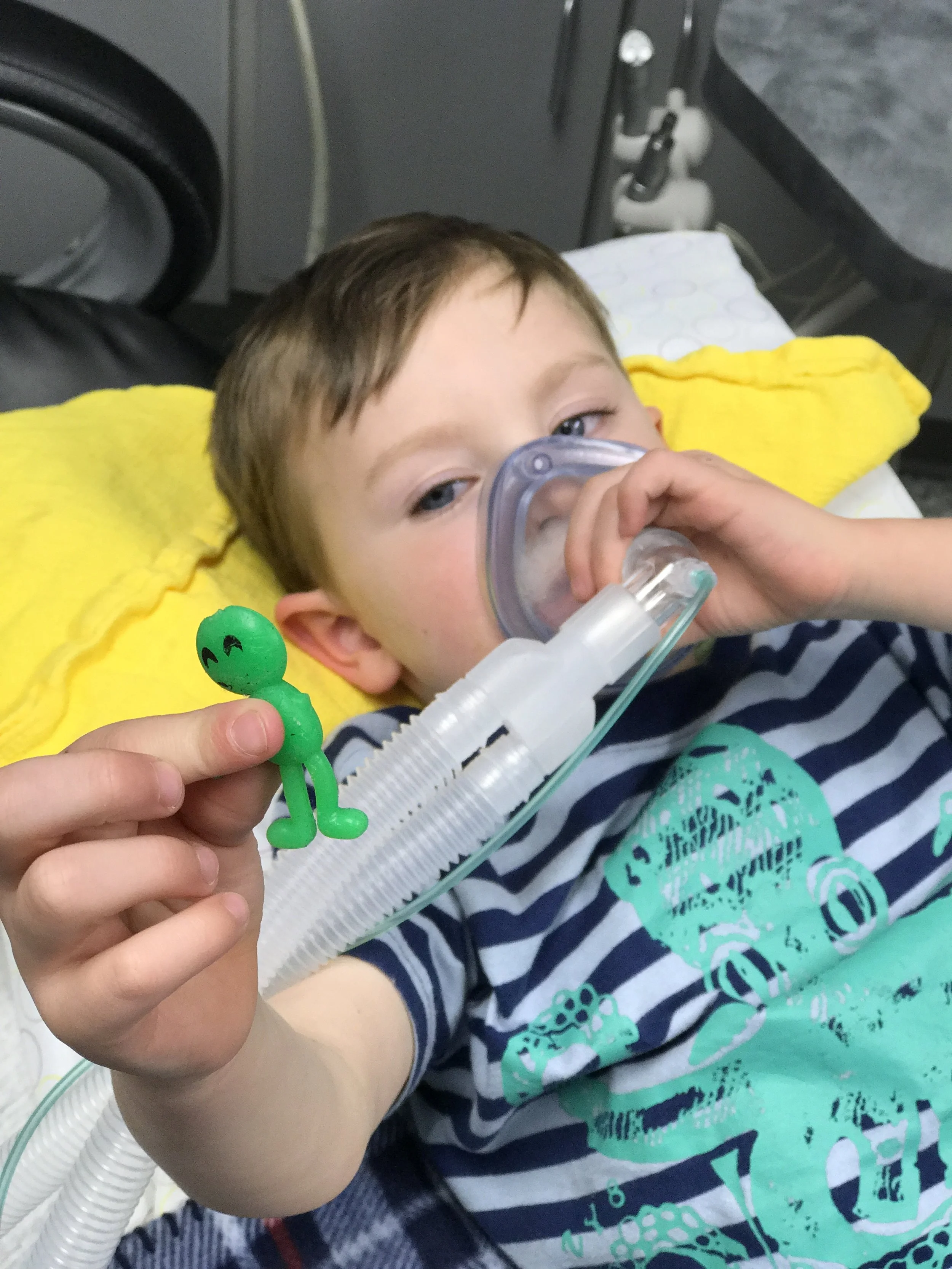
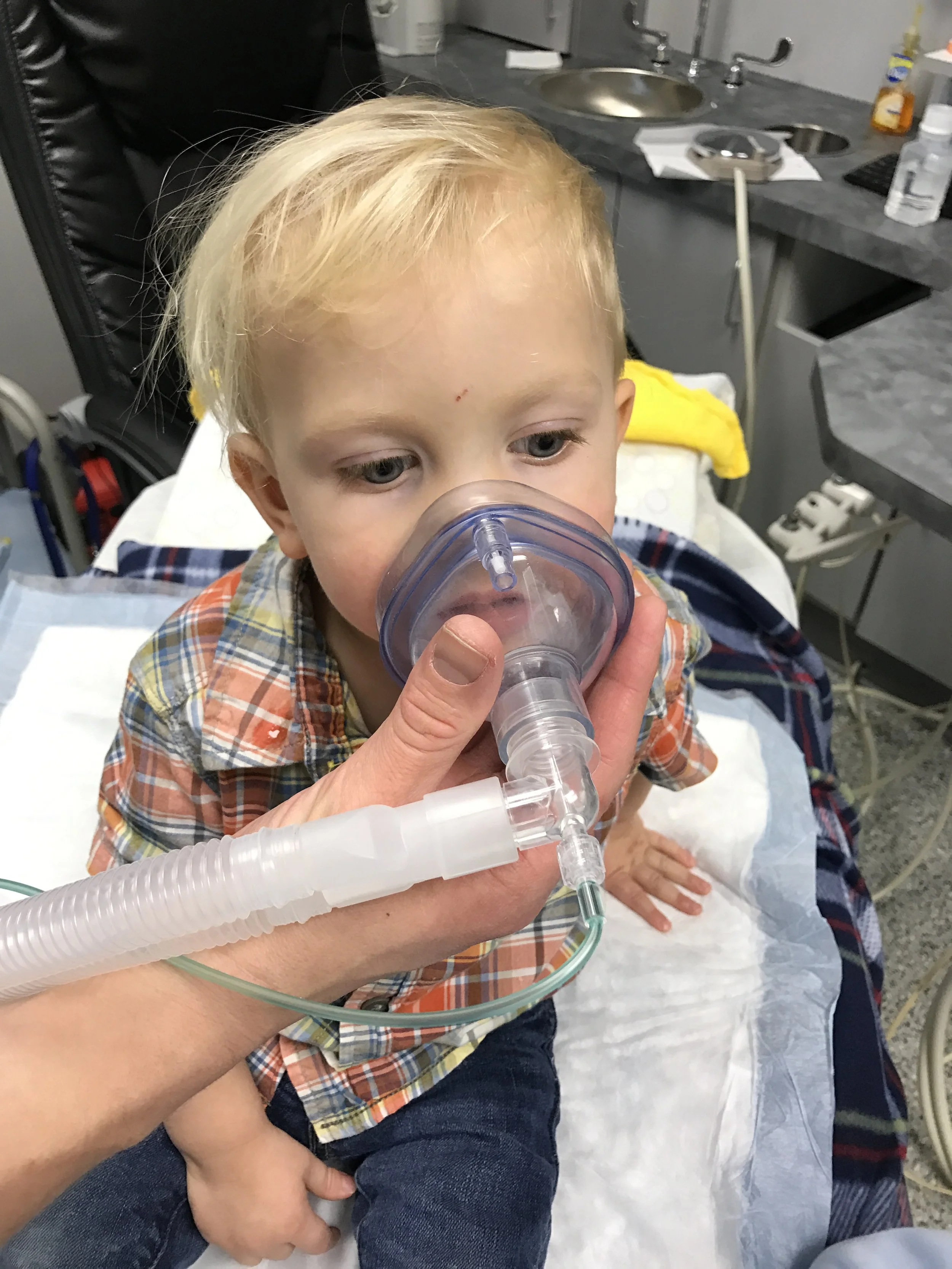
That’s a big question and to answer it fully is beyond the scope of this website, however, I’m happy to discuss it in depth when we meet for your appointment. Briefly, anesthesia works by suppressing central nervous system activity, rendering one unconscious. There are a number of medications that achieve this through different medications. Generally, it remains effective as long as it is being administered. Once administration is discontinued, the body will metabolize the medications and they will begin to wear off.
Big Ideas, Real Impact.
ery event we host is designed with intention, from the atmospheate to the way each session flows.
Is it safe?
That’s every parent and patient’s biggest worry. The most important part of my job is to keep my patients safe. I take this aspect of my job very seriously. Just like any medical procedure, there is inherent risk involved. While I can’t guarantee safety, I can guarantee that I will treat your child The same way that I would want my child to be treated.
As reassurance, I believe anesthesia is safe enough to have administered it to several family members and children of close friends of mine. Lastly, I will say that as a parent, I have been on the other side of the equation, where my child was the one to undergo anesthesia for medical procedures. Many times, actually. And it was stressful and scary to let go of that control to let a stranger take care of my child.
Because of my experience, I believe it is an awesome responsibility that I do not take lightly. Thank you for trusting my with your child’s care.
Do you work with adults? What about children?
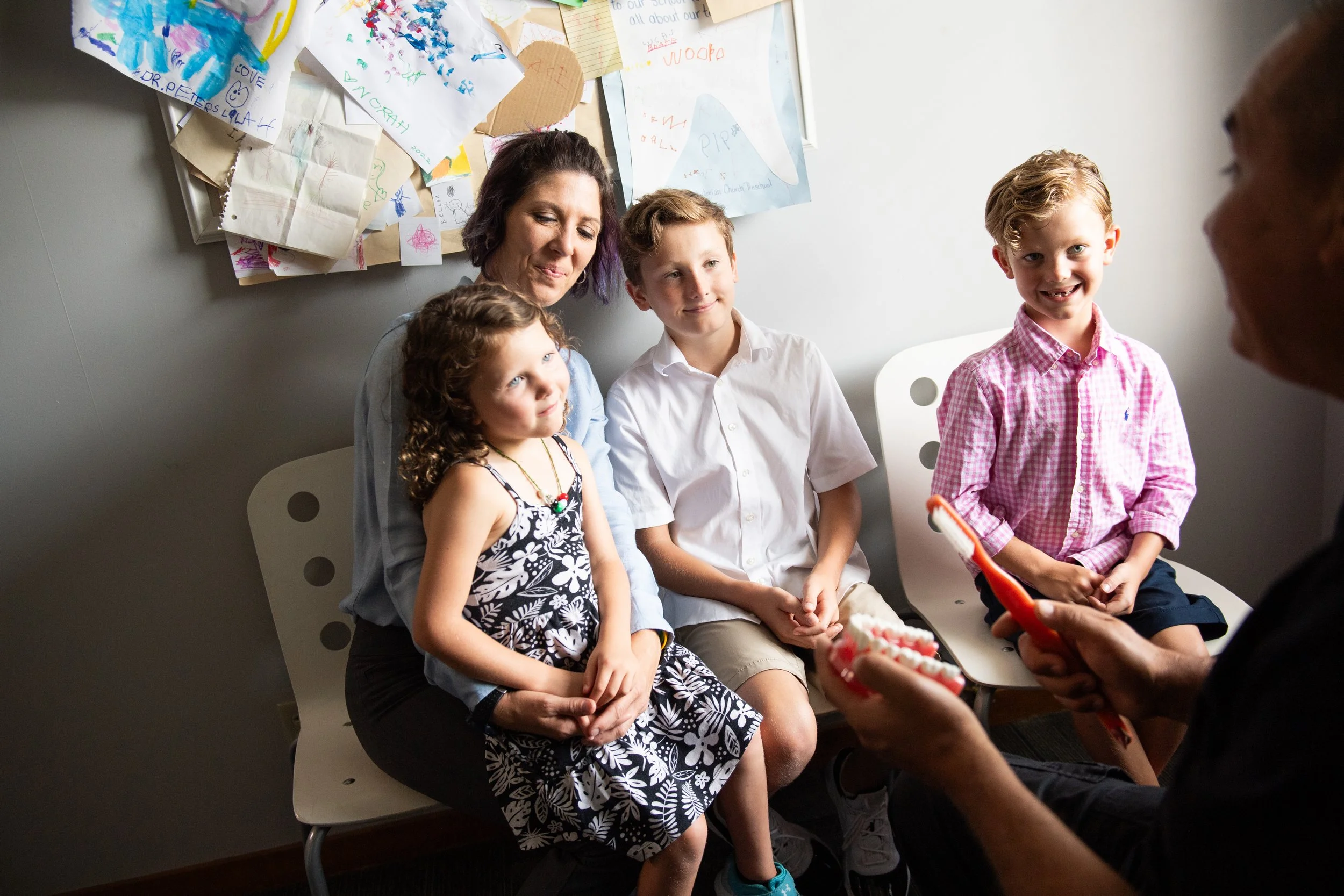
I primarily provide anesthesia services to children, however, that means that I am coordinating that care with both the child and the caregiver. Accordingly, I like to conceptualize that as working with the whole family to safely help your child undergo anesthesia to complete their dental treatment and meet their oral health needs. I also work with some adults who have special healthcare needs that preclude their ability to receive conventional dental treatment.
My child has an appointment to get their dental work completed under anesthesia. Are there any special instructions do I need to know about anesthesia?
Yes! Be sure to inform the dental office of any medical conditions or medications your child has taken prior to scheduling the appointment. Additionally, it is very important to notify the office of any active or recent acute illness, such as a mild cold or the flu. Finally, be sure to notify feed your child the morning of the appointment or allow them to drink any fluids unless otherwise instructed by myself or the office. I will meet with you at the beginning of the appointment to discuss your child’s medical status, their dental needs, and the intended anesthesia plan.
My child had to have anesthesia for dental treatment, and I’d like to know how to avoid needing it again.
Great! Assuming your child is able to at least sit in the chair for routing examinations and cleanings, there are actually a number of things you can do to prevent them from getting cavities again. Here’s a short list of high-impact changes that will drastically reduce the chance of future cavity development:
Brush their teeth twice daily for at least two minutes. You should actively brush their teeth for them at least one of those times until they are about ten years old.
Limit sugary drinks! Better yet, don’t let them have them at all. If you want to indulge, do so occasionally and only at dinner time. Only permit water in between meals, and never let them go to bed with anything to drink in a sippy cup or bottle other than water. Sugary drinks include:
All sodas
Juices
Milk
Tea
Avoid candy like the plague. Seriously. Don’t buy it or keep it in the house outside of special occasions.
Limit snacking to designated times. Eating all day never gives the body time to deploy its natural defense against the bacteria that cause cavities.



The only insurance I participate with is Medicaid. If you have private insurance, I charge a flat fee of $1500 regardless of how long the appointment is. I will provide a “super bill” to provide to your insurance for you to self-file upon request.